
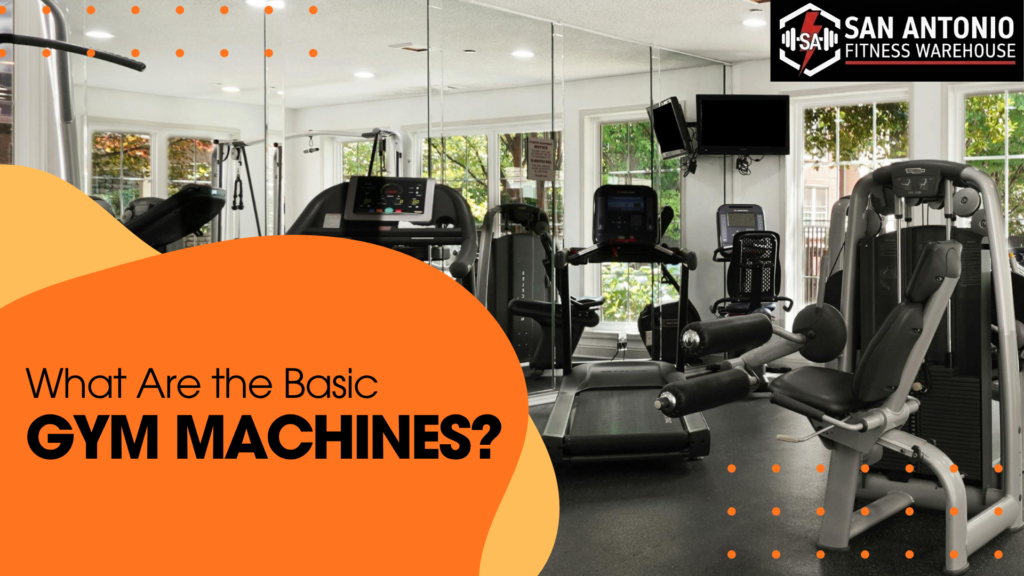
What Are the Basic Gym Machines? The Essential Equipment Guide
When setting up a commercial fitness center, an apartment facility, or a high-end home gym, one question immediately arises: what are the basic gym machines required to deliver a complete and effective workout? Equipping a gym efficiently requires balancing user demand, space optimization, and long-term durability without overspending on redundant equipment.
In this comprehensive guide, we break down the must-have fitness equipment, optimal floor layouts, and key strategic recommendations to help you build a high-performing workout space.
Table of Contents
1. Essential Cardio Machines for Every Gym
Cardio equipment forms the core of any fitness center, serving users focused on cardiovascular endurance, stamina building, and weight management. Having the right balance of cardio machines ensures high throughput during peak hours.
- Treadmills: The undisputed standard for commercial gyms. Treadmills accommodate all fitness levels, from casual walking to high-intensity interval training (HIIT).
- Stationary & Spin Bikes: Low-impact cardio options suitable for active recovery, endurance training, and group cycling classes.
- Ellipticals: Excellent for full-body cardiovascular workouts with minimal joint impact.
- Rowing Machines: Highly efficient full-body conditioning equipment that targets both endurance and muscle engagement.
2. Core Strength Training Equipment & Selectorized Machines
Understanding what are the basic gym machines for strength training is critical to supporting targeted muscle group development and guiding users through safe, controlled resistance movements.
- Lat Pulldown / Low Row Combination: Essential for building upper body strength, targeting the latissimus dorsi, rhomboids, and biceps.
- Chest Press Machine: Provides a safe, guided alternative to heavy barbell bench presses for pectoral, anterior deltoid, and triceps development.
- Leg Press Machine: A fundamental lower-body selectorized unit that builds quadriceps, hamstrings, and glutes without heavy spinal loading.
- Functional Trainer (Cable Crossover): One of the most versatile machines available, offering customizable cable height adjustments for hundreds of multi-planar exercises.
3. Free Weights, Power Racks & Benches
While selectorized units isolate specific muscles, free weight areas allow functional strength development, core stabilization, and compound movements.
- Adjustable Benches (Flat / Incline / Decline): The foundation for dumbbell chest presses, seated shoulder presses, and arm workouts.
- Power Racks & Squat Cages: Critical for safe heavy compound lifting, including barbell squats, overhead presses, and rack pulls.
- Smith Machine: Combines barbell lifting with fixed vertical guide rails, offering safety catches for solo lifters.
- Dumbbell & Barbell Sets: Essential commercial accessories that cater to all strength levels.
4. Gym Floor Plan & Zone Distribution Matrix
A well-organized gym layout prevents traffic bottlenecks, enhances user safety, and maximizes total floor capacity. Below is a breakdown of optimal space allocation and safety distances by gym zone:
| Gym Zone | Recommended Floor Space (%) | Safety Clearance & Spacing | Primary User Traffic & Flow |
|---|---|---|---|
| Cardio Zone | 35% – 40% | 3 to 4 feet between units; 4 feet behind treadmills | High volume, fast turnaround, high peak-hour usage |
| Selectorized Strength | 30% – 35% | 3 feet between machines for safe pin adjustments | Steady flow, moderate workout duration per machine |
| Free Weights & Racks | 20% – 25% | 5 to 6 feet between benches and squat racks | High density, core lifting area, demands heavy-duty rubber flooring |
| Functional / Stretching | 10% – 15% | Open floor plan with minimal fixed obstacles | Bodyweight movements, warm-ups, core exercises, and recovery |
5. Strategic Recommendation: Invest in Commercial Durability with San Antonio Fitness Warehouse
Selecting fitness gear is not merely an upfront purchase; it is a long-term investment in safety, customer retention, and reduced operational maintenance costs. Low-quality equipment leads to excessive downtime, frequent cable replacements, and potential liability issues.
When determining what are the basic gym machines for your facility, partnering with a trusted commercial supplier is essential. San Antonio Fitness Warehouse specializes in heavy-duty commercial equipment built to withstand high daily usage in commercial gyms, corporate facilities, and luxury home setups. Exploring reliable equipment options at San Antonio Fitness Warehouse ensures heavy-gauge steel framing, fluid biomechanics, and long-lasting structural warranties.
Frequently Asked Questions (FAQ)
What are the basic gym machines needed to start a commercial gym?
The essential startup foundation includes commercial treadmills, stationary bikes, a lat pulldown unit, a chest press machine, a leg press, a functional cable trainer, adjustable benches, and a comprehensive dumbbell set with racks.
How much floor space do basic gym machines require?
A functional small commercial or studio gym setup typically requires between 1,200 to 2,500 square feet to safely accommodate basic cardio, strength, and free weight zones with adequate walkway clearances.
Should I prioritize selectorized cable machines or free weights?
A balanced facility requires both. Selectorized cable machines provide safety, guided biomechanics, and quick weight adjustments for beginners, while free weights offer advanced compound conditioning and functional movement training.
Knowing what are the basic gym machines enables you to build a well-rounded, efficient, and engaging training environment. By strategic layout planning, balancing cardio and strength zones, and sourcing heavy-duty gear from proven suppliers like San Antonio Fitness Warehouse, you set your gym facility up for long-term operational success.